The most important lesson I’ve learned is that how you ‘act’, rather than ‘react’, makes all the difference. Help your dog mirror your calm, rather than reflecting their distress by overcompensating. Over the years, I’ve developed a toolkit of strategies to help dogs cope with fireworks anxiety, and I’m here to share those with you. It’s important to do or use what suits your individual dog, so watch them, learn from them and do what’s right for them.
Anxiety vests and wraps
Pressure vests, like the well-known ThunderShirt, can work wonders for many dogs by applying gentle, consistent pressure around the body, similar to swaddling a baby or using a weighted blanket for anxiety relief. This taps into their natural calming reflex, helping to ease stress and promote relaxation.
If you don’t have a pressure vest, you can create a homemade version using an old sweatshirt sleeve or even a snug dog coat. However, be mindful of overheating, especially if your dog is wearing it indoors. Always keep an eye on their behaviour to ensure they remain comfortable.
This technique, known as “deep pressure stimulation,” has been shown to reduce nervous behaviours in many dogs and can be particularly effective when combined with other calming strategies. Many pet parents have reported that using these vests brings an immediate sense of calm to their dogs, making a noticeable difference during stressful events like fireworks.
There is science behind it; pressure has a soothing effect on the nervous system. If your dog tends to panic during loud noises, these vests can be an excellent tool to have in your arsenal. [1]
However, as with all tools and techniques, not all work for every dog. There are some dogs weighted blankets and weighted vests may not work for:
- Dogs with breathing issues or health conditions
- Young puppies and very small adult breeds
- Energetic, active dogs who dislike confinement
- High-energy dogs that are uncomfortable with being wrapped or covered.
- Dogs that chew and may tear apart their bedding
Natural remedies and supplements
There are some fantastic natural products that can help reduce anxiety in dogs.
I highly recommend Pet Remedy, a natural calming spray made from valerian and other essential oils. I had a wonderful chat with Gill Edwards, the founder of Pet Remedy, where we discussed the calming effects of these natural ingredients and how they can support anxious dogs. You can listen to our chat as part of the ‘Cultivating Calm’ series below.
Watch as I discuss Pet Remedy natural calming spray with Founder, Gill Edwards
Herbs
There are several herbs that can help calm your dog’s anxiety. Chamomile is great for relaxation and easing nervous stomachs, while valerian acts as a gentle sedative, soothing nerves and promoting physical relaxation. St John’s Wort, lemon balm and passionflower are all effective for dogs with fear-based anxiety, such as from thunderstorms or fireworks.
These herbs can be given as tea, tincture, or capsules, depending on your dog’s size and preference, to provide a natural alternative for anxiety relief.
When exploring natural remedies and supplements for your dog, I advise choosing products that are backed by science and approved by veterinarians. While there are many options available, doing thorough research is key to finding effective solutions with proven results.
Always choose products with a strong reputation and backed by scientific research, like ProDog’s specially formulated vitamin and mineral supplements for dogs. This ensures you’re making the best choices for your dog’s health and well-being.
For more guidance, our Beginners Guide to Dog Supplements offers tons of useful pointers.
Consulting a holistic vet, such as Dr Vicky Simon or Dr Nick Thompson, is a great step. They can provide tailored advice on herbs, foods, and supplements that address your dog’s specific needs.






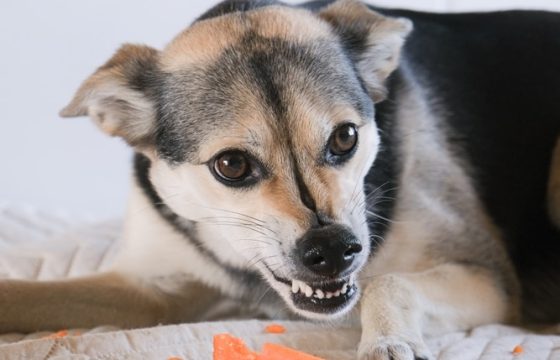

Everyone mentions sound, but nobody mentions scent. I’ve observed dogs who become anxious when that sulphur smell is in the air