
7 Reasons Healthy Dogs Eat Raw
More owners are switching to raw for one reason above all: they want their dog to thrive, not just get by. Here's what a fresh, natural diet actually does.
Get 25% Off Your First BundleStart With 25% Off Excellent 15.1k+ reviews
Real food changes more than what's in the bowl.
It changes what you see in your dog. Here's what owners tell us time and again, reason by reason.
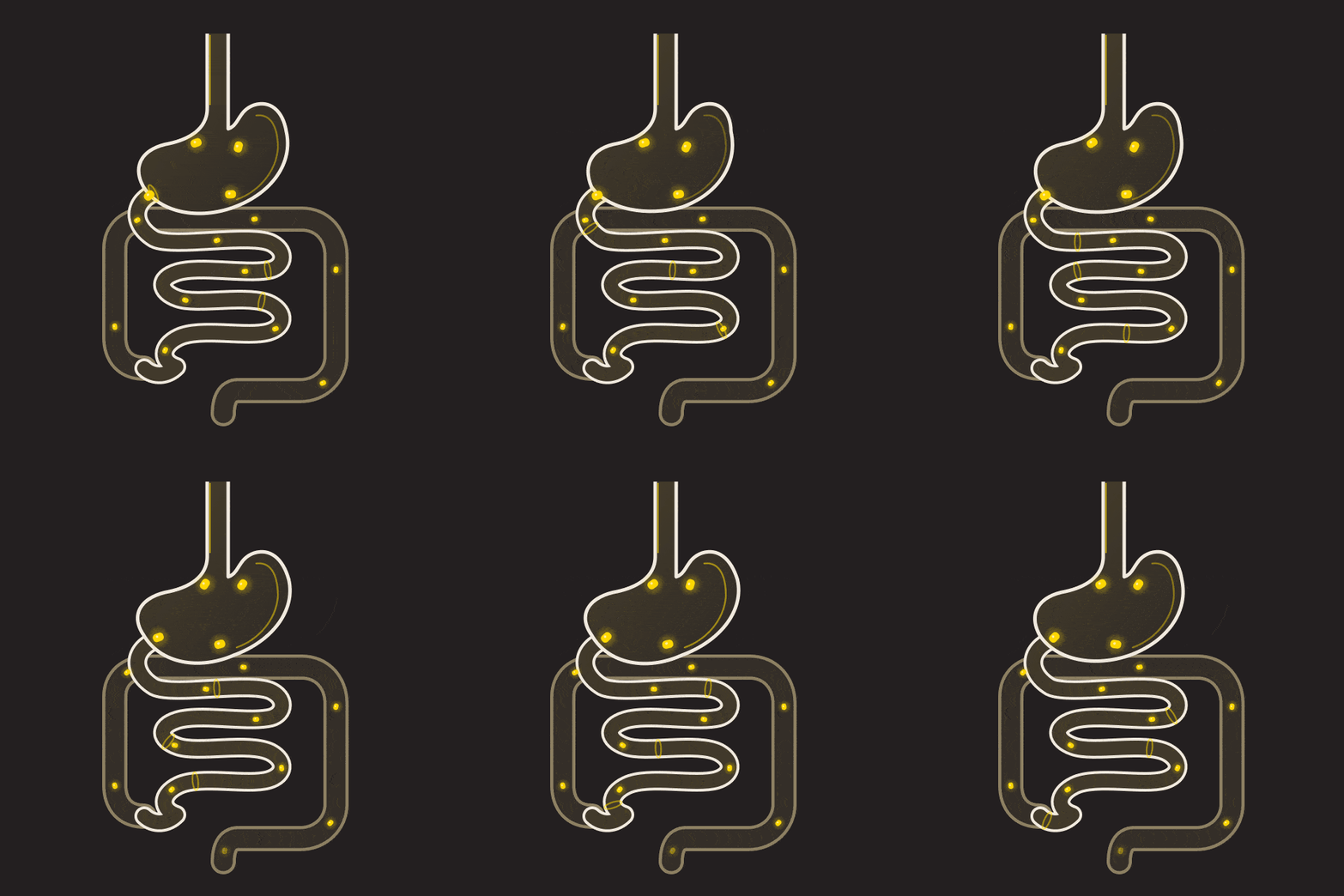
A stomach that works the way it should
Firmer, smaller stools. Fewer of the tummy upsets that come with ultra-processed food. A dog’s digestive system is short and acidic, built for fresh meat and bone, and owners often notice the difference within a couple of weeks of switching.
Skin that stops itching, a coat that shows it
Itchy skin, dull coats and food sensitivities are some of the most common reasons owners start looking at what’s in the bowl. Owners feeding raw often report calmer skin and a glossier coat, thanks to quality proteins, natural fats and the absence of the fillers found in processed diets.
Energy that actually lasts
- Energy feels steadier through the day, without the crash that can follow carb-heavy processed foods.
- Real meat, organ and bone give a dog’s body fuel it’s built to use.
- Less gets wasted on digesting what it can’t easily process.

One of the things customers tell me again and again is how much their dog's toilet habits change: smaller, firmer stools, less mess to deal with, less wind. It's rarely what people expect when they start, but it's often one of the first things they notice, right alongside a visibly healthier coat. It makes sense: when a dog is eating what his or her digestive system is actually built for, everything works more efficiently, and a lot of what owners had come to accept as normal simply stops being an issue. Almost everyone tells me the same thing afterwards: they wish they'd made the switch sooner.
Dogs enjoy it, and ask for more
It’s the question every owner asks before they switch, and it’s usually the last thing they need to worry about. Dry food relies on artificial flavourings and coatings to make it appealing, but real meat doesn’t need the help, it smells like dinner already. Most dogs take to raw straight away, and owners who make the switch tend to have the opposite problem: an empty bowl, fast, and a dog looking for more.
Some dogs do need a bit longer to adjust, especially if they’ve been on dry food for years. The texture and flavours are new, so a slower, more gradual switch can help them get comfortable at their own pace. Even then, most dogs are fully transitioned within 7 days.

Owners see it too

“Her coat is now super shiny, she has bags of energy and wolfs down her food in seconds.”
“The best ever. My dog is absolutely thriving on the single protein raw.”
“Firmer stools within a fortnight and far less wind. Wish we'd switched sooner.”
“Our rescue was itching constantly. Months on raw and her skin has settled right down.”
“Fussy spaniel who left half of everything. Now the bowl is clean every time.”
“He's leaner, keener on his walks and much calmer in the house.”
“Delivery is faultless and the tubs stack neatly in the freezer.”
“Our old boy moves so much more freely since he slimmed down on raw.”
Fewer flare-ups, more good days
Grains, wheat, corn, soy and preservatives, all common in ultra-processed dog food, are frequently linked to sensitivities. A raw diet is naturally free from them, which is why so many owners come to raw after struggling with recurring symptoms elsewhere. It may even start earlier than that: a 2020 study of over 2,200 dogs found that puppies fed a fresh, meat-based diet from pregnancy through early puppyhood were less likely to develop allergy-related skin disease later in life, while those raised on an ultra-processed diet had a higher risk [1].
Calmer at home, easier to live with
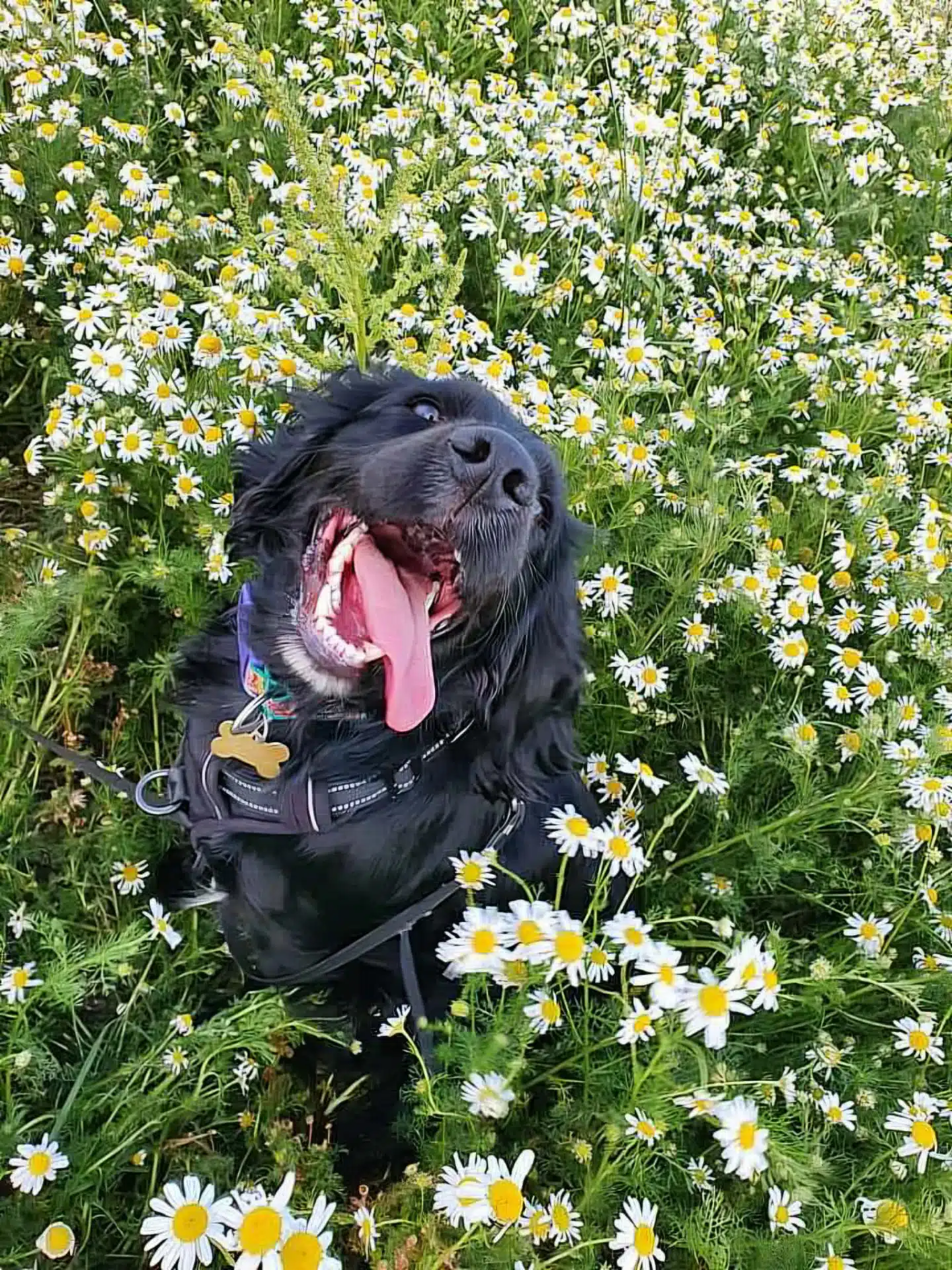
Diet and behaviour are more connected than most owners realise. A dog’s gut and brain are in constant conversation, so a diet that unsettles the gut, sugars, fillers and artificial additives among the usual culprits, can leave a dog feeling just as unsettled. Owners switching to raw often notice a steadier, calmer dog: fewer of the energy spikes and crashes that fuel restlessness, and a dog that settles rather than one wound up looking for its next hit of fuel.
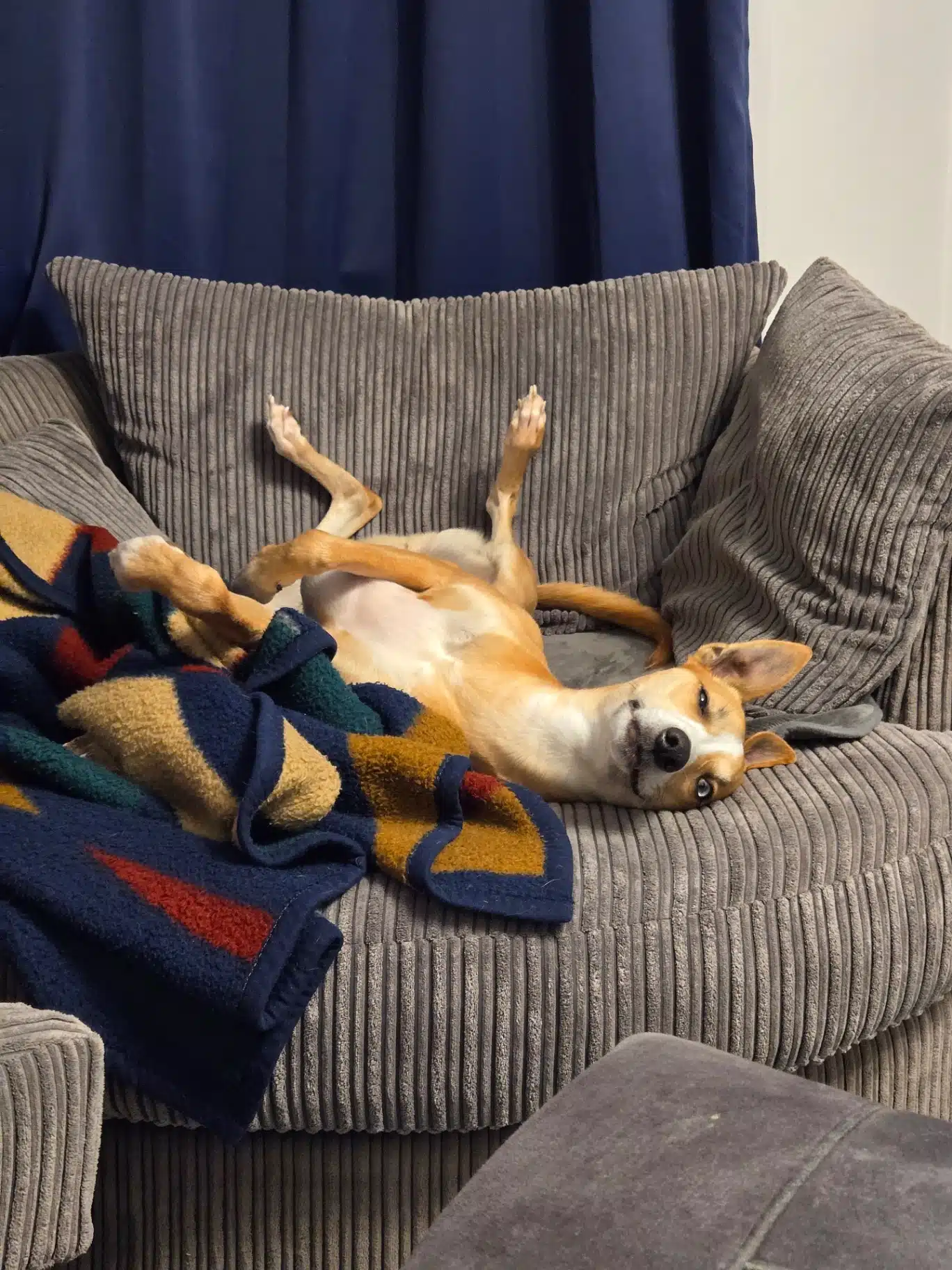
A body built to keep moving
Extra weight is one of the biggest drivers of joint problems in dogs, and it only gets harder on the joints as the years go on. Raw-fed dogs tend to run leaner: a 2026 clinical study found dogs on a raw meat-based diet had a significantly lower body condition score than dogs fed commercial food [2]. Weight matters for dogs already feeling stiff, too: one clinical trial found lameness eased significantly once dogs had lost just over 6% of their body weight [3]. Less strain on the joints means more of what a dog actually wants to do: the walk, the fetch, the stairs, comfortably, as they get older too.
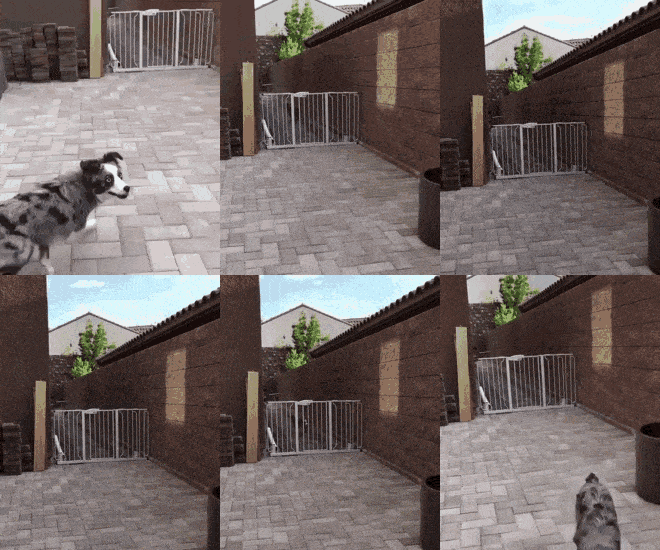

Weight is one of the biggest factors I see driving joint problems in dogs. A properly balanced raw diet makes it far easier to keep a dog lean, and every kilo off a stiff joint makes a real difference to how comfortably they move as they get older.
Experience the ProDog Effect
That's what raw feeding can do. This is how we make sure every ProDog recipe gets you there, not by chance, but by rigour at every stage.
- Designed by leading canine nutritionists
- Approved by holistic vets
- Independently batch-tested
- DEFRA-approved and UK made



"ProDog offer the best raw food for dogs... They absolutely adore their meals, never leaving a scrap behind, their coats are shiny and healthy... I recommend this food to any dog owner looking to give their pet the very best."
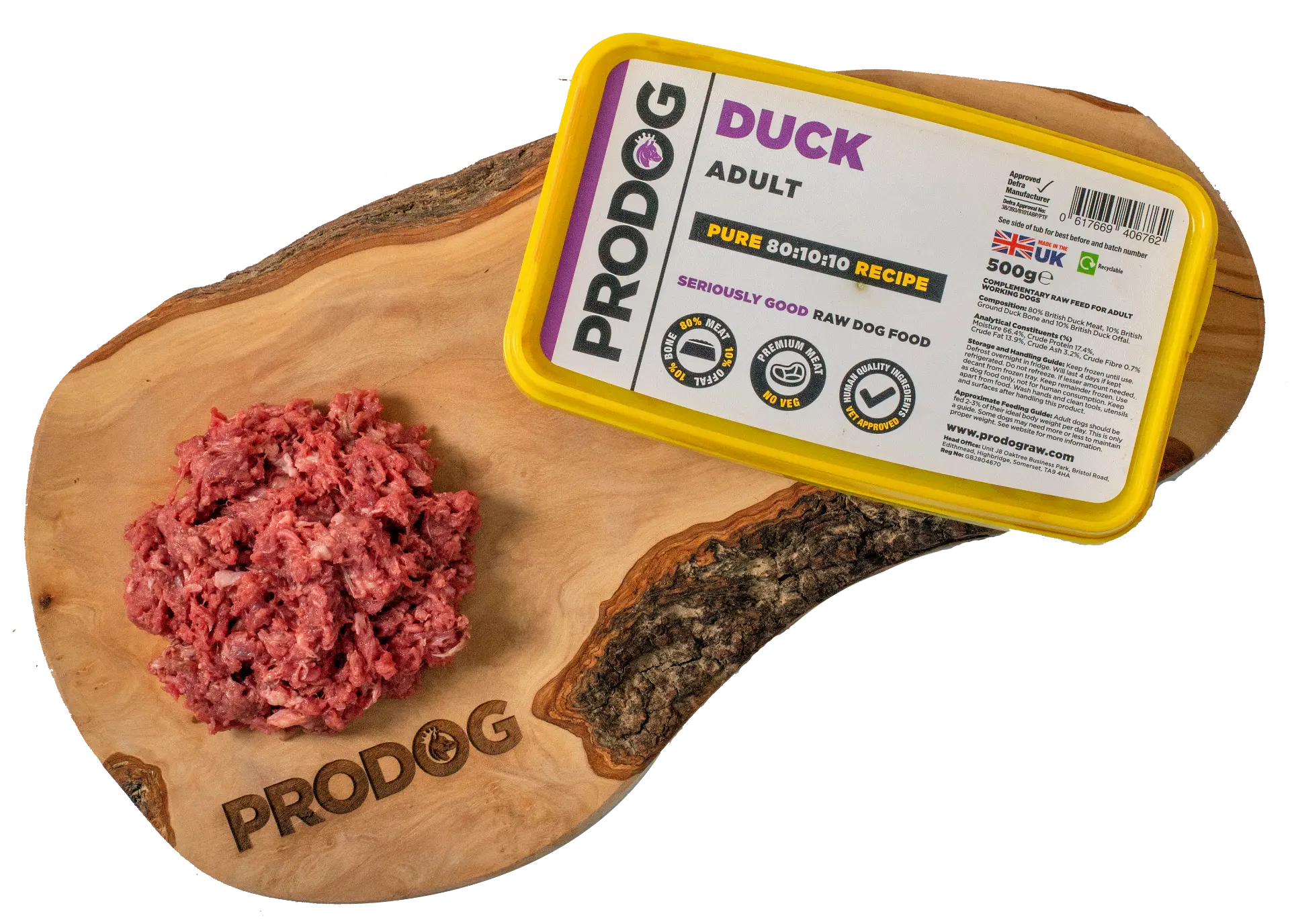
New to ProDog? Save 25% on your first bundle
*Offer available to new customers only.
Not sure where to start?Most people start here.
Buy the Mixed BundlePrefer to choose
your own?
Discount will auto apply at checkout